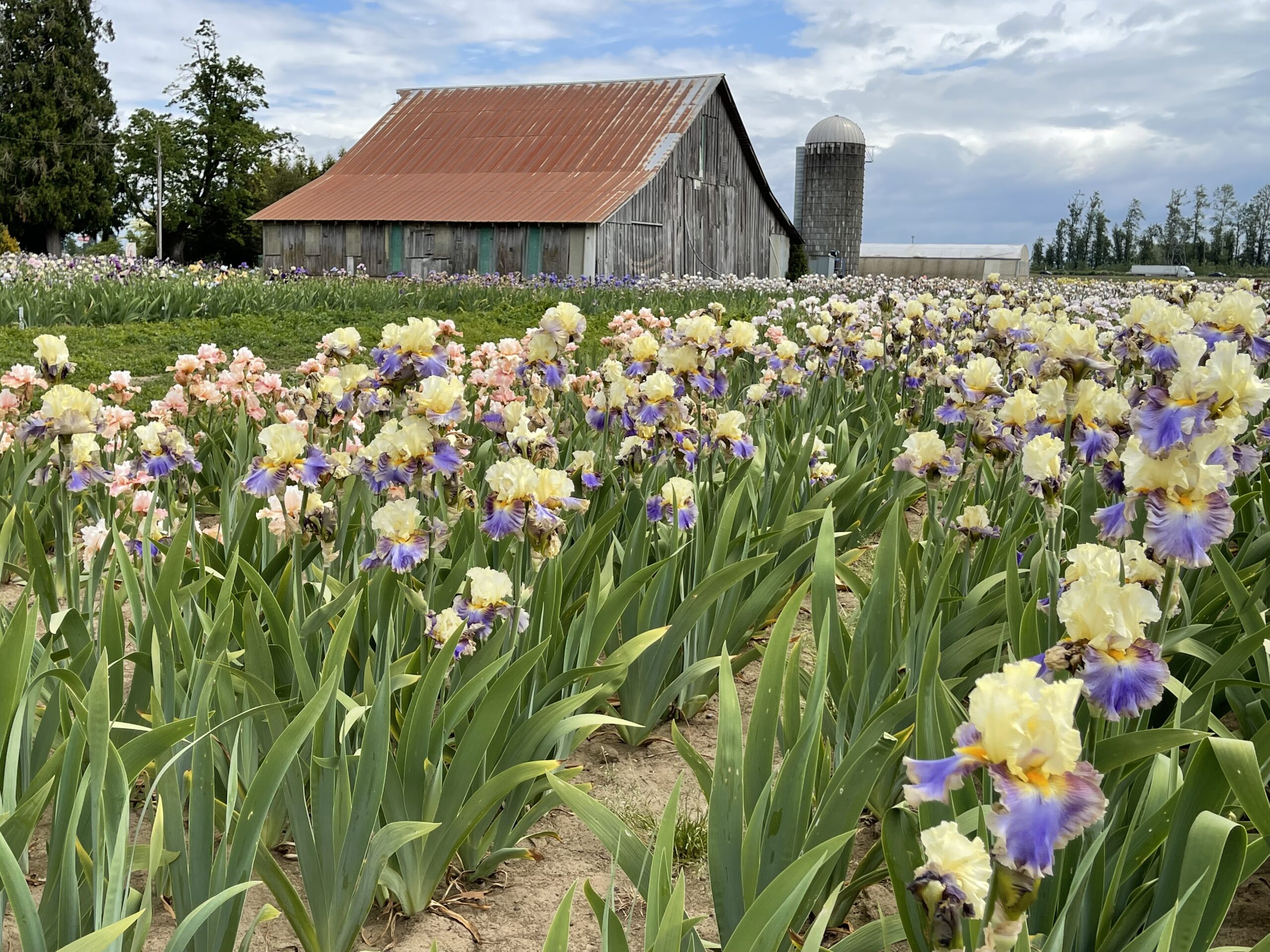

Irises are among the easiest of perennials to grow, and they give an abundance of beauty with minimum care. Beloved for their rainbow of Spring color, irises come in many heights, forms, and even bloom times. In order to grow irises well it is helpful to know some basic iris terminology.
Iris Basics
Iris are broadly divided into two types rhizomatous and bulbous. Bulbous iris are registered through the Dutch Royal Bulbgrowers (KAVB) and their culture is distinctly different from what are commonly thought of as “garden irises”.
The typical garden irises can be further divided into three groups: bearded, aril, and beardless. The culture of these broad groups of iris can be quite different so knowing what you’re growing is critical to your success.
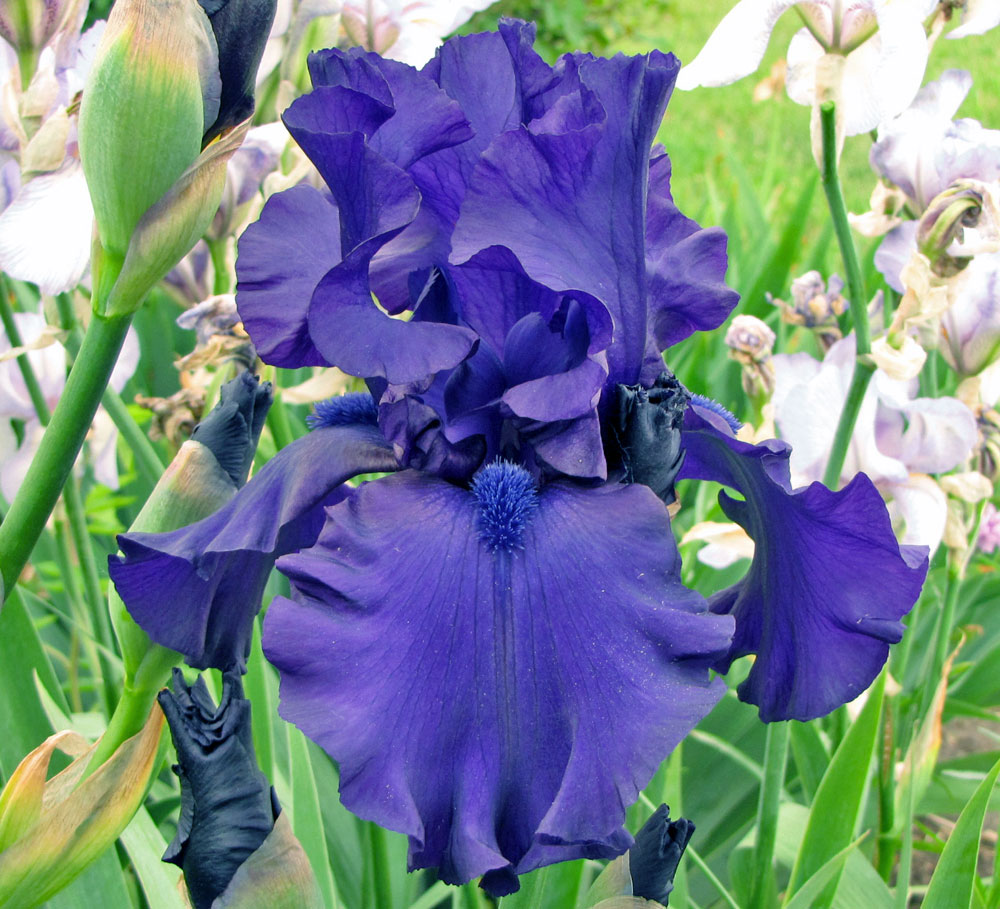
Bearded Irises are those most gardeners picture and are distinguished by the fluffy, hair-like appendage called a “beard” on the falls (the traditionally downward facing petals) of the flower. Bearded iris come in a variety of heights ranging from diminuative to over 3 feet tall.
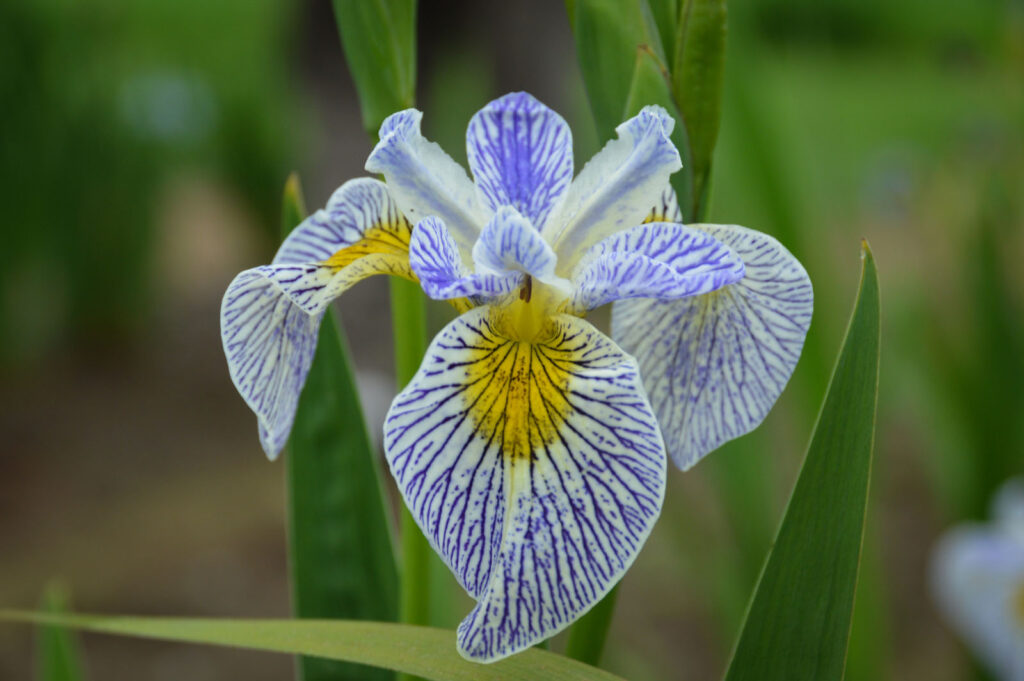
Beardless Irises, so grouped because they do not have a beard also come in a wide variety of heights, forms, and species. The Siberian iris is a popular and widely available example of beardless irises.
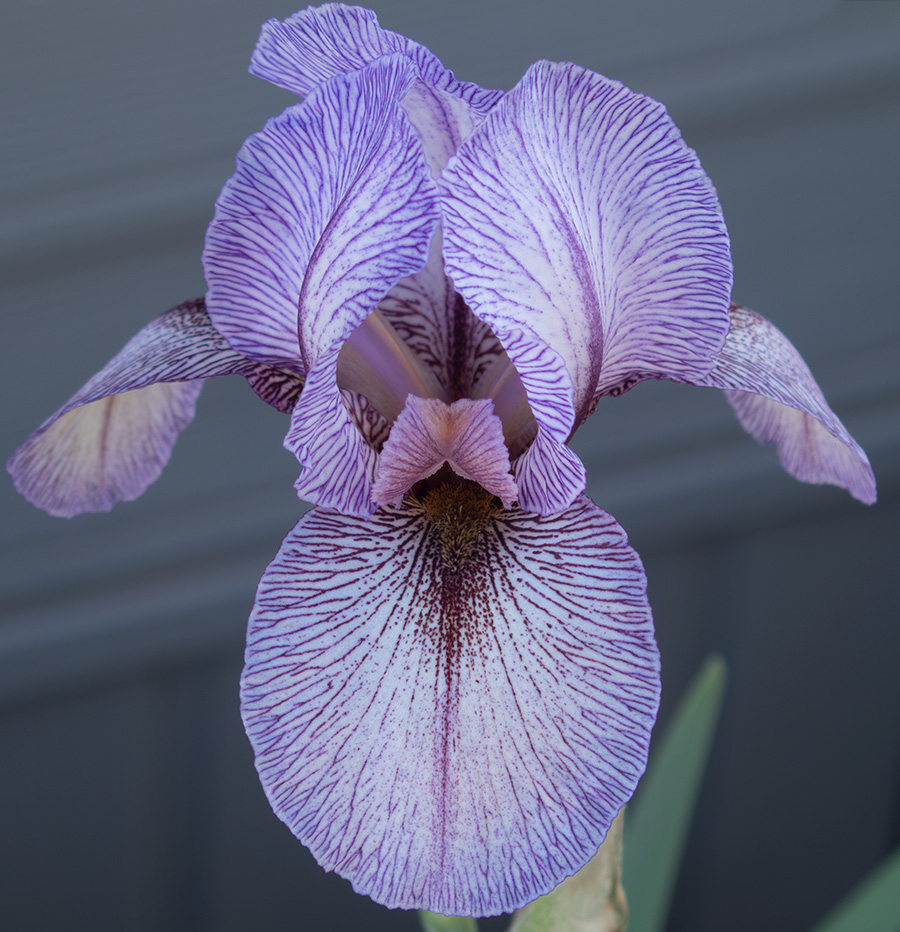
Aril Irises are native to the dry steppes, mountains, and arid regions of the Middle East and Central Asia. Aril have sparse or diffuse beards but spectacular dark signals often with dark veining or speckling. They can be crossed with bearded iris to create hybrids called arilbreds.
Classes of Irises
Within each of the broader classes mentioned above there are subclasses each with unique characteristics and often different cultural requirements.
Growing Tips for classes of iris
- Bearded Iris
- Beardless Iris
- Aril and Arilbred Iris